The computer was born to solve problems that did not exist before.
A high-quality computing education equips pupils to use computational thinking and creativity to understand and change the world. Computing has deep links with mathematics, science and design and technology, and provides insights into both natural and artificial systems. The core of computing is computer science, in which pupils are taught the principles of information and computation, how digital systems work and how to put this knowledge to use through programming. Building on this knowledge and understanding, pupils are equipped to use information technology to create programs, systems and a range of content. Computing also ensures that pupils become digitally literate – able to use, and express themselves and develop their ideas through, information and communication technology – at a level suitable for the future workplace and as active participants in a digital world. National Curriculum for Computing, purpose of study
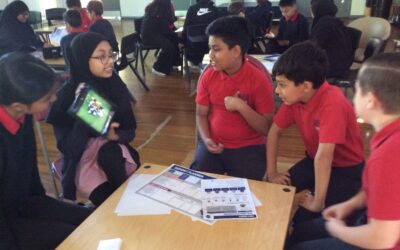
Year 6 Workshop: Aspiring News Reporters for Sky TV
On Monday, our Year 6 students had the incredible opportunity to step into the shoes of professional news reporters for a special workshop hosted by Sky TV. The excitement in the air was palpable as the students prepared to create their very own 90-second news report...
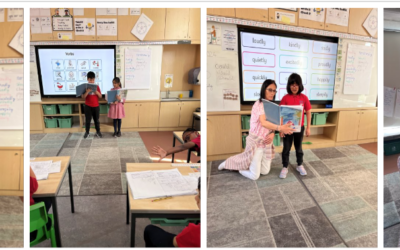
Another wonderful week in Year 2!
This week in English we have been planning our innovative story. We planned the story and we became story tellers. We shared our stories with everyone making sure to use sequencing language, conjuctions, adjectives and adverbs. We made sure we used our loud, proud...
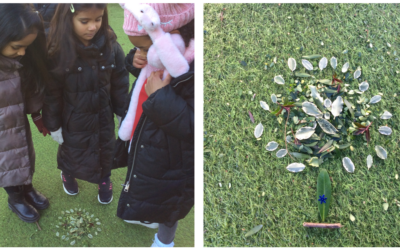
What have Goldsworthy been up to this term?
Hello! This term our guiding question was: What plants are growing in our edible garden? We have had a really busy term and wanted to share what we have been up to! Keep reading to find out... Computing In computing we have been learning about properties of groups. We...
Full Steam Ahead!
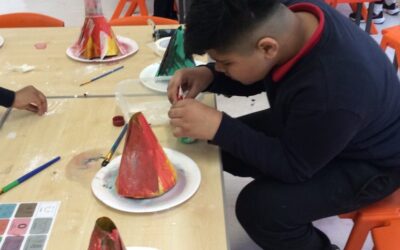
Today, everyone at Lansbury Lawrence participated in STEAM day to celebrate British Science Week. Every class hosted a workshop to inspire and get the pupils involved in Science. There was a range of workshops such as volcano making, lava lamp making, salt painting,...
Our Autumn Two learning wrapped up…
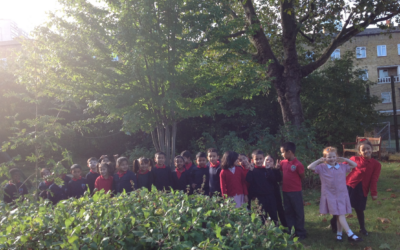
As the autumn leaves fall, signalling the end of another term, it's time to wrap up the chapter of learning that Goldsworthy and Kapoor have experienced in these past few months. Our topic this term was about Kings and Queens: are they real or only in fairytales?...we...
Taking photographs in year 2
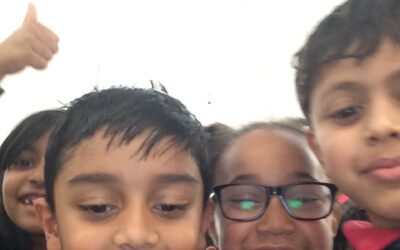
Whole class We have been doing a project in computing. Last week, we learnt about photographs, and the keywords we remembered are portrait, landscape, device, and permission. Our portrait photos: Portrait is vertical. It helps us see the top and bottom of...
Our Autumn 1 Learning
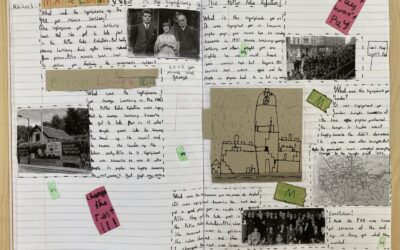
This term, in history, I have learnt about Poplar Rates Rebellion and how it started.In 1921 the government was greedy at that time and the rents were the same as everyone and the wealthy didn't want to have the same rents as the poor so the government said that for...
Our week in class
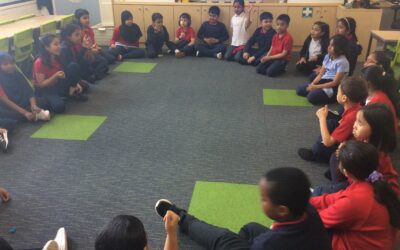
by the whole class This week, we learnt a lot about computing, French, English, P4C and mountains - Syeda Computing We used Canva to design a poster for a religious event. In RE, we learnt that religions use their buildings for chats, helping and singing as well as...
Digital Drawings in Year 5
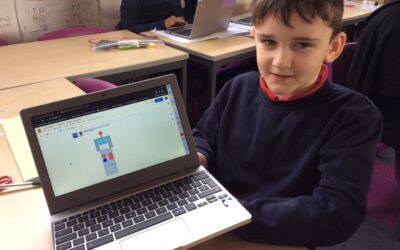
Kahlo and Lichtenstein class have begun their new computing unit of work all about Vector Drawings. We have been learning about how vector images are drawn using lines & shapes, and filled with colour. We used the Google Drawings tool on our Chromebooks to explore...
Springing into Computing
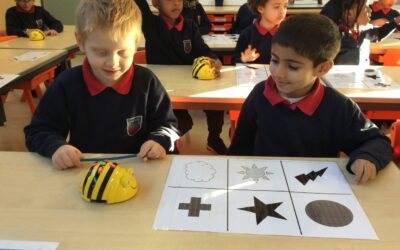
This term, every year group has been delving deep into computing and growing their knowledge about how computers work, how to code & how to create interesting media content. Year 1: What's a Beebot? Year 1 have been learning all about the floor robots this...